Implant Dental Assistant Duties and Training Questions
Understand how assistants may support implant visits, from room setup to records and teamwork, and what to ask about training and Georgia scope.
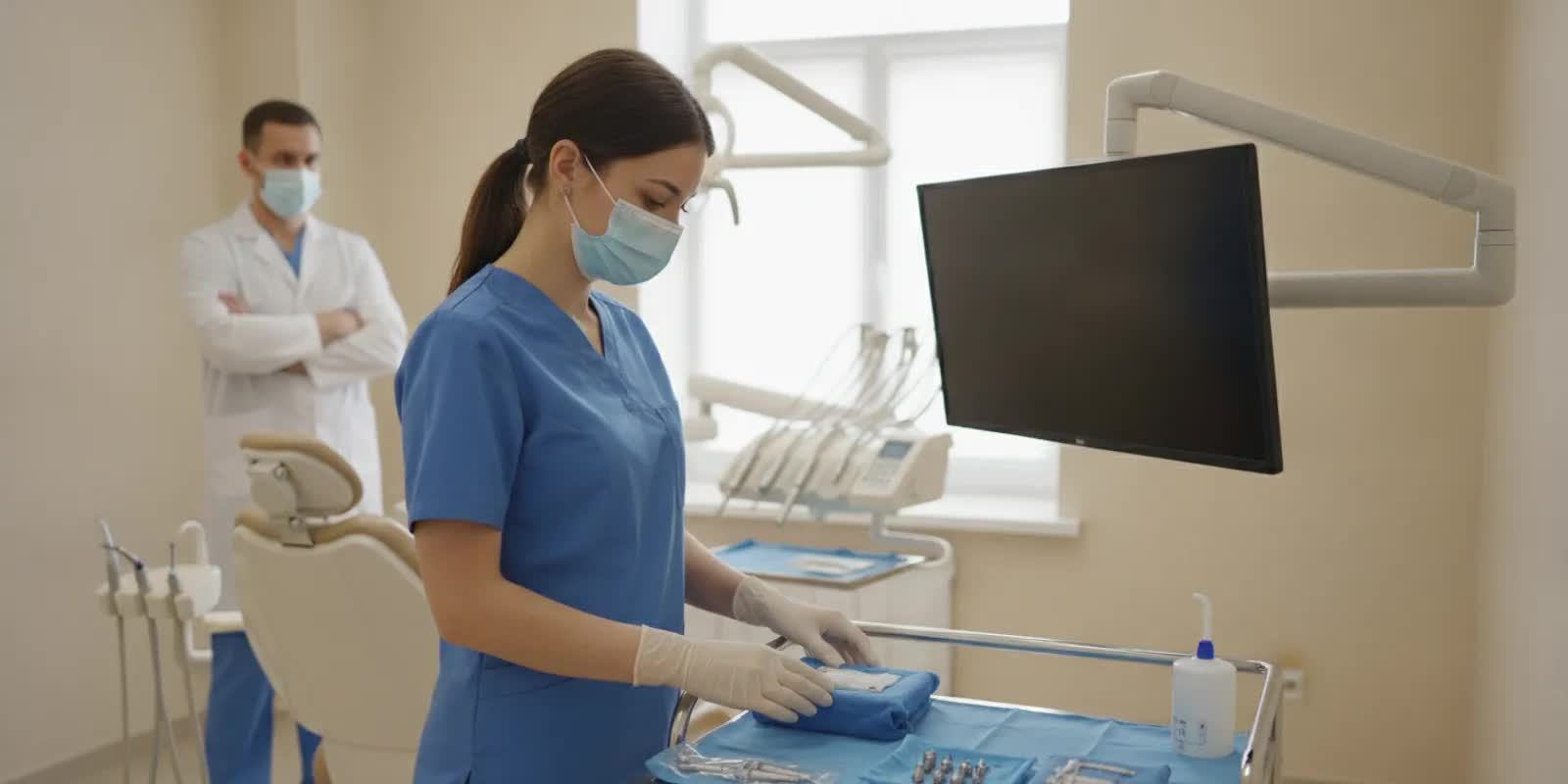
Implant dental assistant duties can involve preparing a room, organizing materials, supporting permitted documentation, and communicating with the care team. The exact assignment varies by dentist, practice, appointment stage, training, supervision, and applicable rules. Knowing those boundaries helps aspiring assistants ask better questions without assuming every assistant performs the same tasks.
Call admissions to ask about training
What does implant-related support involve?
A dental implant is part of a treatment plan directed by an appropriately licensed clinician. An assistant may support the team before, during, or after an appointment, but support is not the same as diagnosing, planning treatment, or performing a procedure. The clinician directs care and assigns tasks within the assistant’s training and the rules that apply.
There is no universal job description for an “implant assistant.” A general practice, specialty practice, and office with different staffing patterns may divide work differently. Some assistants may help prepare the room or organize records; other responsibilities may belong to another team member. Ask what a particular office expects rather than relying on a broad title.
The appointment stage matters, too. A consultation, imaging visit, procedure, and follow-up can have different workflows. The assistant should know the assigned task for that visit and whom to ask if instructions are unclear.
How might an assistant help prepare the room?
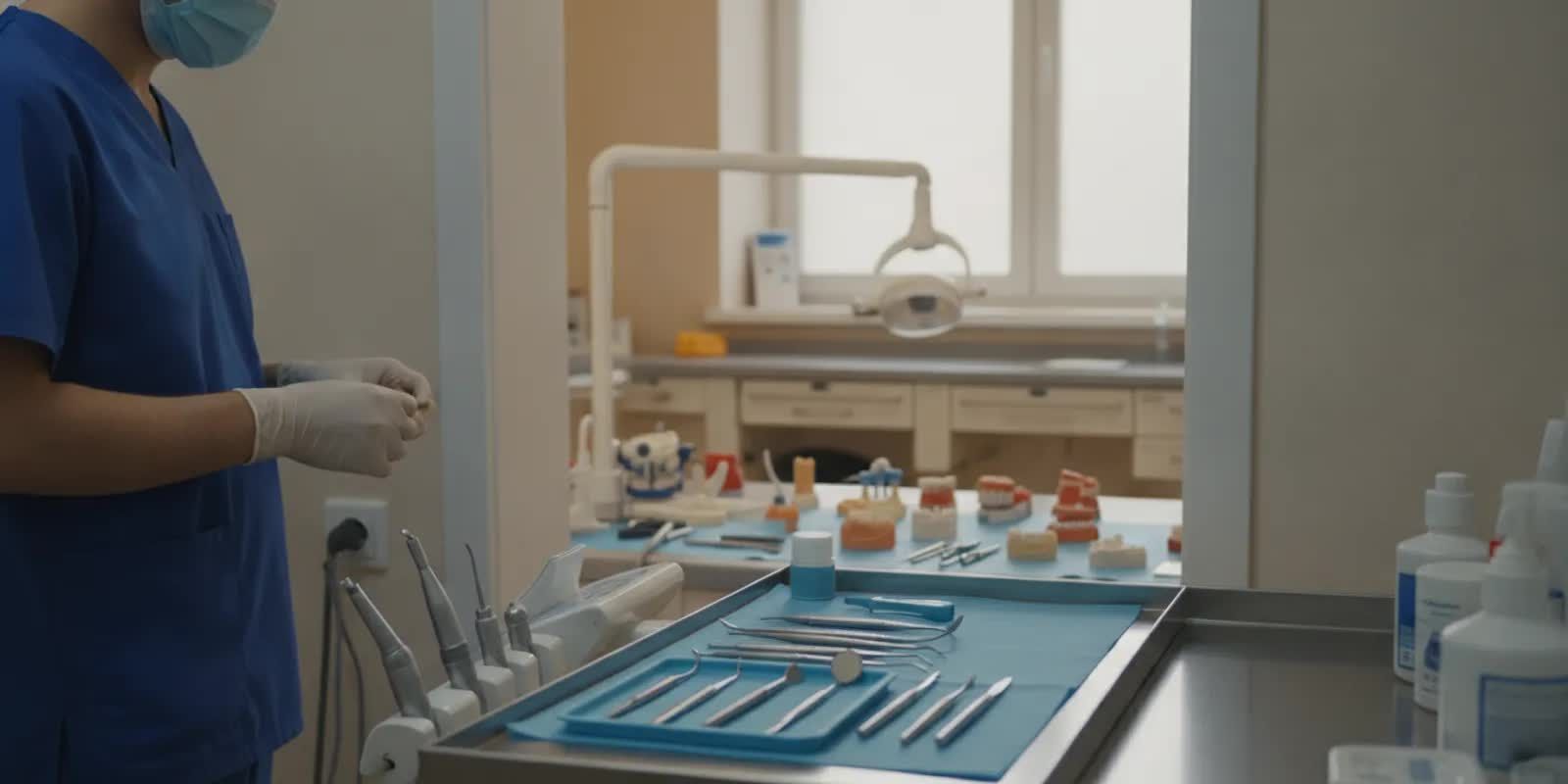
Room preparation is about making the space ready for the planned visit and following the practice’s infection-prevention procedures. Depending on the assignment and training, preparation may include:
- Checking the schedule and confirming the room and appointment type.
- Preparing surfaces and barriers according to the office’s established process.
- Arranging instruments and supplies as directed while protecting sterile items.
- Checking whether expected equipment is present and reporting a problem promptly.
- Making sure records and patient-specific materials are available to authorized staff.
For an implant-related appointment, the clinician determines the procedure and the items needed. An assistant should not independently choose a surgical plan or substitute materials. A useful routine is to confirm the setup with the clinician, use the office checklist, and pause to ask if something is missing or unclear.
Preparation also includes noticing when something does not match the plan. For example, if a package appears damaged, an item is absent, or a label does not match the requested supply, report it rather than improvising. The practice’s process determines what happens next. This small communication step is more reliable than guessing under time pressure.
What materials and equipment questions may come up?
Instrument names and arrangements vary by procedure and office. A student may encounter dental instruments, protective barriers, suction equipment, imaging systems, and materials used in routine restorative or surgical workflows. Implant-specific components and protocols are determined by the clinician and the manufacturer’s instructions; a general article cannot identify which components a particular patient needs.
When learning a new workflow, ask the supervising dentist or instructor to explain the purpose of each item and the safe handling process. Useful questions include:
- Which items are part of room setup, and who verifies the final arrangement?
- How are clean, sterile, and used items kept separate in this office?
- What is the procedure if packaging is damaged or a supply is unavailable?
- Which equipment checks are assigned to assistants, and how are concerns reported?
- Does a task require additional education, authorization, or direct supervision?
These questions are more useful than trying to memorize a universal implant tray. Procedures and workflows differ. Follow current office protocols and direction from the responsible clinician.
How can an assistant support documentation?
Accurate records help the care team understand what was discussed and what happened at a visit. Documentation responsibilities depend on office policy, system access, training, and applicable requirements. An assistant should record only information they are authorized to enter, use the practice’s process, and bring uncertainty to the appropriate clinician.
Assigned documentation might include preparing the chart for a visit, entering permitted information about completed support tasks, or checking that required fields are handled according to office procedure. The assistant should not diagnose a condition, make treatment recommendations, or record an event that did not occur. If a detail is unclear, ask before entering or changing it.
Privacy is part of responsible recordkeeping. Use patient information only as needed for assigned work and follow the practice’s privacy and security policies. Do not discuss identifiable patient details in public areas or use them in examples outside an authorized setting. When learning documentation, practice with approved training materials rather than real patient information.
Why does team communication matter?
Implant visits can involve multiple steps and team members. Clear communication helps coordinate room readiness, patient flow, clinician needs, and follow-up. An assistant can confirm assignments, report a missing item promptly, and relay a question to the dentist instead of guessing.
Communication should stay within role boundaries. The dentist explains diagnosis, treatment choices, risks, and clinical instructions. An assistant may share information the clinician has approved, but should direct clinical questions to the dentist. After a visit, follow the office’s process for passing along messages and recording assigned tasks.
Closed-loop communication can make requests clearer: repeat an important instruction when appropriate, complete the assigned task, and report back. If asked to retrieve a supply, for instance, repeat the requested item and say promptly if it is unavailable. This supports coordination without replacing safety procedures or clinical judgment.
How can duties differ by appointment stage?
The phrase “implant appointment” can refer to different stages of care. Possible support needs may change from one visit to another:
- Consultation: The team may prepare the room and chart while the clinician assesses the patient and discusses options.
- Planning or imaging visit: The office may coordinate records or imaging under its procedures. Only trained and authorized staff should perform assigned imaging tasks.
- Procedure visit: An assistant may support setup and workflow as directed, within training and legal limits. The clinician performs and oversees clinical treatment.
- Follow-up: The team may prepare records, relay clinician-approved instructions, and direct clinical concerns back to the dentist.
This is a general way to think about workflow, not a promise that every practice divides responsibilities this way. Before a student or new employee takes on a task, the assignment and supervision should be explained.
What training foundations are useful?
Prospective assistants can look for foundational instruction in chairside support, infection prevention and sterilization, radiography principles, charting, dental materials, communication, and emergency response. Ask what students practice, what requires supervision, and where local rules set limits. Foundational training is not proof that a program provides implant-specific instruction.
Alliance Dental Institute describes an in-person, 12-week training program with classroom instruction, practical dental-office learning, and a stated 40-hour externship. Published subject areas include chairside assisting, radiography, sterilization, charting, dental materials, emergencies and CPR, and career preparation. Available information does not establish an implant-specific course, an implant-related externship assignment, or a placement outcome.
To explore the school’s general information, visit the Alliance Dental Institute blog. Ask admissions to clarify current curriculum details and how practical learning is supervised. A program description does not determine which duties are permitted in a future workplace.
How should you think about Georgia scope and qualifications?
Rules can distinguish among general assisting tasks, radiography requirements, and specific expanded duties. Do not assume that completing a training program creates a general state dental assistant license or that every assistant may perform every task associated with an implant visit. Requirements can depend on the task, qualifications, supervision, and current state rules.
For an authoritative starting point, review the Georgia Board of Dentistry rules, including provisions that apply to dental assistants. Check the current rule and its application with the appropriate regulator or supervising dentist before relying on it for an individual task. A school or employer can explain its process but should not replace official guidance.
What should you ask before choosing training?
Use questions that clarify the actual learning experience and its limits. Ask:
- Which chairside, sterilization, charting, radiography, and materials topics are taught?
- How much learning is classroom-based, and what practical activities are described?
- What does the stated externship involve, and how are student responsibilities supervised?
- Does the program describe implant-specific content? If not, what foundational skills does it teach?
- Which credentials or certificates are included, and who issues each one?
- What are the current schedule, total charges, and payment terms? Request these in writing.
- How should graduates verify scope requirements before accepting a task?
Alliance Dental Institute lists its campus in Villa Rica and describes its program as in person. Admissions can answer questions about current program information and tour availability; published admissions hours are not course hours. To discuss curriculum and training format, contact admissions by phone.
How can you build a practical learning plan?
A prospective student can turn broad interest into concrete learning goals. Start by separating what you want to understand from what you expect to perform. Learning why a room checklist matters, for example, is different from being authorized to handle every item on it. Naming that difference makes conversations with instructors more useful.
- Learn the purpose. Ask what the appointment stage involves and which clinician directs care.
- Identify the assigned role. Find out which preparation or documentation tasks belong to an assistant in that office.
- Check prerequisites. Ask whether a task requires a credential, training, supervision, or equipment authorization.
- Observe the approved process. Follow the instructor’s or clinician’s demonstration and the written office checklist.
- Confirm before acting. Repeat unclear instructions and report missing supplies, damaged packaging, or uncertainty.
- Review afterward. Ask for feedback on communication and workflow while keeping patient information private.
This sequence is useful beyond implant-related visits. It encourages careful preparation without treating a general description as permission to perform a clinical task.
How can you compare program information fairly?
Compare details that can be verified rather than broad labels. Ask each school for its current course length, attendance format, subject areas, practical activities, externship description, credential names, and written charges. If a school says “hands-on” or “career-ready,” ask what students actually do and what remains supervised or outside the program.
For Alliance Dental Institute, documented information describes a 12-week in-person course with classroom instruction, practical dental-office learning, and a stated 40-hour externship. Other descriptions mention ten-week sessions, but a distinct current ten-week syllabus, timetable, and price are not verified. Likewise, a published seat-reservation figure does not establish total cost. Request current details directly rather than assuming old or partial figures apply.
Keep comparison notes in three groups: confirmed details, open questions, and the person or document that can resolve each question. You might record “in person” as a stated format, “weekly class hours” as an open question, and “admissions” as the next contact. This keeps comparisons grounded in evidence instead of impressions.
How should you verify a Georgia requirement?
Begin with the specific task, not a general job title. Find the current rule that addresses the activity, then check whether it names prerequisites, supervision, or a credential. Georgia rules distinguish radiography requirements from certain expanded duties, so a certificate connected with one area should not be assumed to authorize another.
If the wording is unclear, ask the appropriate regulator or supervising dentist how it applies to the proposed task. Note the rule or section, the date you checked it, and the answer you received. Recheck when rules or job duties change. This is more reliable than relying on an informal list or broad claims about what assistants usually do.
What should you ask admissions?
Focused questions help prospective students understand what a program does and does not establish. Consider asking which published curriculum topics relate to chairside support and room preparation; what practical activities are included and how they are supervised; whether current curriculum includes implant-specific instruction; and what the 40-hour externship description means in practice. Also ask which award names are used, who issues them, and what prerequisites apply.
Request the current schedule, complete charges, and payment terms in writing. Do not infer class times from admissions or tour hours. Admissions can explain the current calendar and answer questions about the program. For general school information, you can also return to the school’s blog and information pages.
Call admissions with your training questions
Frequently asked questions
Do all dental assistants perform implant procedures?
No. Assistants support care within their assigned role, training, supervision, and applicable rules. Diagnosis and treatment are directed by the appropriately licensed clinician.
Does general dental assistant training guarantee implant-specific preparation?
No. Foundational education may cover transferable skills, but implant-specific instruction should be confirmed directly with the school. Do not assume a course module, externship assignment, or competency unless it is documented.
Can an assistant answer a patient’s questions about implant treatment?
An assistant can communicate information the clinician has approved and should refer questions about diagnosis, options, risks, or treatment decisions to the dentist. Follow the practice’s communication procedures.
What is a good first step for learning this work?
Build core skills in chairside support, infection prevention, records, materials, and communication. Then ask an instructor or supervising dentist how those skills apply to office procedures and rules.
Implant-related support is a team responsibility, and safe practice starts with clear assignments, appropriate training, and asking before acting when a task is uncertain.