Dental Assistant vs Physical Therapy Aide: Career Comparison
Compare dental assistant and physical therapy aide roles, training, settings, patient contact, and daily tasks before choosing an entry-level healthcare path.

When comparing an entry-level healthcare path, the choice between a dental assistant and a physical therapy aide may seem like a choice between similar support roles. A closer look shows important differences in setting, patient interaction, daily duties, preparation, and boundaries. This dental assistant vs physical therapy aide guide can help you compare the work itself before choosing which direction to explore.
Call to ask about dental assistant training
What does a dental assistant do?
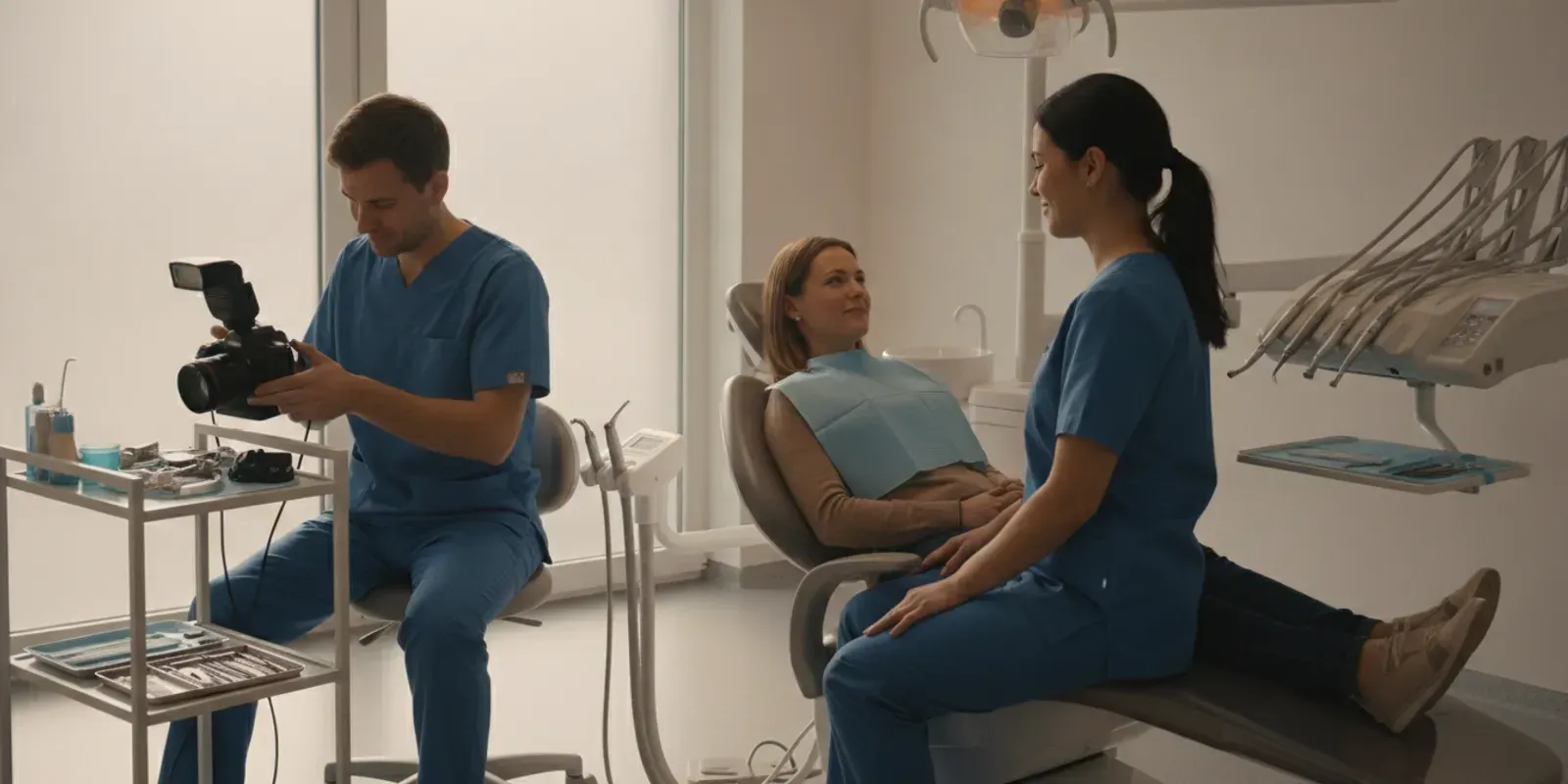
A dental assistant supports a dentist and the rest of the dental team before, during, and after patient visits. Work can include preparing the treatment room, organizing instruments and materials, assisting chairside, managing suction, updating records, and helping the office get ready for the next appointment. A dental assistant may also explain basic visit instructions and help a patient feel more comfortable during a procedure.
The exact assignment depends on the employer, the assistant's preparation, and applicable Georgia requirements. Radiography and expanded duties have specific conditions. Training can introduce these subjects, but a course description should not be treated as automatic authorization to perform every task in a dental office.
Alliance Dental Institute describes its primary program as a 12-week, in-person dental assistant training course at its Villa Rica campus. The school describes classroom instruction, practical dental-office learning, and a 40-hour externship. Published subject areas include chairside assistance, sterilization and infection control, radiography, charting, dental materials, emergency response and CPR, and career preparation. This is dental assistant training, not preparation for physical therapy aide work.
What does a physical therapy aide do?
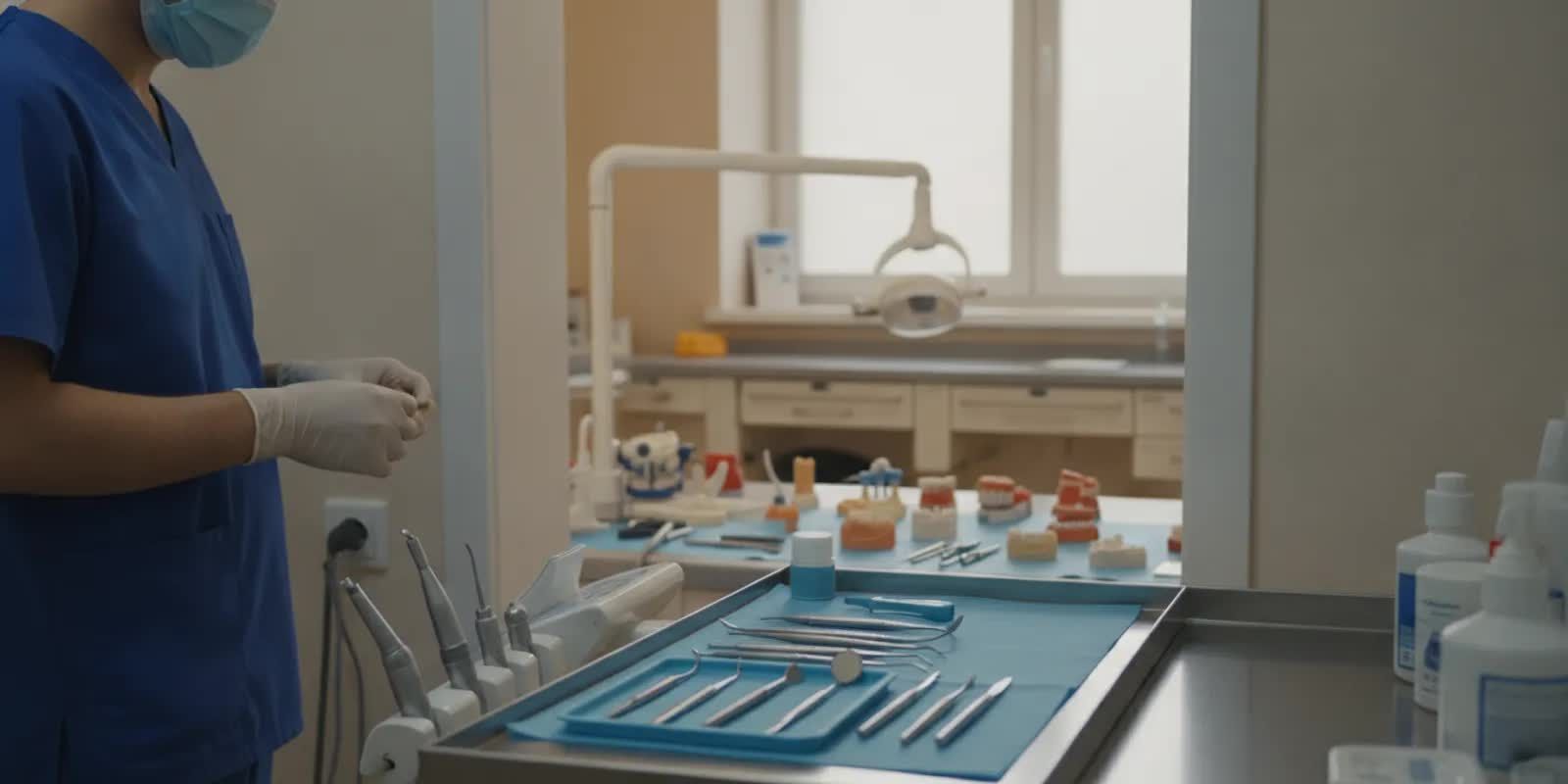
A physical therapy aide generally helps a physical therapy clinic operate smoothly. Depending on the employer, duties may include preparing treatment areas, cleaning or organizing equipment, moving supplies, helping patients find the right area, assisting with nonclinical office tasks, and supporting the flow of appointments. The role may involve frequent movement between treatment spaces rather than working primarily beside a dental chair.
A physical therapy aide should not be confused with a physical therapist assistant. Those are separate roles. A physical therapist assistant has a clinical position and works under the direction and supervision of a physical therapist. Brigham Young University's academic resource, Physical Therapy Aide or Assistant, also distinguishes the aide role from the assistant role.
An aide's specific responsibilities vary by clinic and employer. A job title alone does not tell you whether a position is mainly environmental support, clerical support, patient assistance, or a combination. Read the complete posting and ask who supervises the role. If a listing describes exercise instruction or clinical decisions, ask the employer to explain what position it is actually hiring for and what qualifications it requires.
How are the two work settings different?
How the two roles compare
Typical setting. Dental assistant: Dental office or dental clinic. Physical therapy aide: Physical therapy clinic or rehabilitation setting.
Core support. Dental assistant: Chairside assistance, room preparation, materials, and dental records. Physical therapy aide: Treatment-area preparation, equipment support, patient flow, and clinic tasks.
Patient contact. Dental assistant: Often supports patients during examinations and dental procedures. Physical therapy aide: May help patients navigate the clinic and prepare for therapy sessions.
Common equipment. Dental assistant: Dental instruments, materials, radiography equipment when qualified, and sterilization equipment. Physical therapy aide: Therapy equipment, treatment tables, mobility aids, and clinic supplies.
Clinical boundary. Dental assistant: Works within training, employer direction, and applicable Georgia rules. Physical therapy aide: Does not replace the clinical role of a physical therapist assistant or physical therapist.
This comparison is a starting point rather than a universal task list. One dental practice may assign more front-office work, while another emphasizes chairside assistance. One therapy clinic may give aides more equipment and room responsibilities than another. Ask for a sample day and a written list of duties before accepting a position.
Imagine the first hour of a shift. In a dental office, an assistant might prepare a room, check that the appropriate supplies are ready, review the schedule, and help the dentist move from one appointment to another. In a therapy clinic, an aide might check treatment spaces, put equipment in place, and direct arriving patients to the right area. These are examples, not guaranteed schedules; staffing and workflow differ among employers.
What kind of patient interaction should you expect?
Dental assistants often interact with patients in a close, procedure-focused setting. You may greet a patient, prepare them for an examination, answer routine questions within your role, position supplies, assist the dentist, and provide instructions after a visit. Clear communication matters because patients may feel nervous, uncomfortable, or uncertain about what will happen next.
Physical therapy aides may interact with patients across a larger treatment area. Their support can include directing someone to a treatment station, preparing equipment, or helping maintain an orderly session. Patients may be recovering from an injury or working toward a mobility goal, so patience and awareness are important. Clinical questions should go to the appropriate physical therapy professional.
Consider the difference between two common moments. A dental patient might ask what an instrument is for during a procedure; an assistant should respond within the office's instructions and refer clinical questions to the dentist. A therapy patient might ask whether a movement is safe; an aide should refer that question to the supervising therapy professional rather than improvising an answer. In both situations, respectful communication includes knowing when to pause and ask for help.
Neither role independently diagnoses a condition or creates a treatment plan. The supervising professionals determine clinical care, while support workers carry out assigned duties safely and communicate concerns. Patient privacy and careful handling of information matter in both workplaces.
How does preparation compare?
Physical therapy aide requirements vary by employer. Some clinics provide job-specific orientation, while others prefer related education or experience. An aide position should not be assumed to have the same preparation requirements as a physical therapist assistant position. If a posting uses both titles or describes hands-on clinical care, ask the employer to clarify the role before applying.
Dental assistant preparation also varies according to the employer and duties. A structured program may provide a foundation in dental terminology, anatomy, chairside procedures, instrument transfer, infection prevention, sterilization, charting, dental materials, radiography concepts, emergency response, CPR, and office communication. It may also offer practice in a dental-office environment and an externship, as Alliance Dental Institute describes for its program.
Georgia-specific duties require careful verification. Alliance Dental Institute's content refers to preparation in dental radiography and expanded functions, but students should confirm exact award names, prerequisites, and requirements for the duties they hope to perform. General dental assistant training, radiography eligibility, expanded duties, and CPR are not interchangeable categories. Completing a training program should not be read as a blanket authorization for every duty.
Before comparing education routes, write down the task you hope to perform and the requirement that applies to it. For example, someone interested in chairside support should ask what practice and supervision the course provides. Someone interested in radiography should ask what prerequisites and documentation apply in Georgia and how the course addresses them. Someone seeking CPR preparation should confirm what the program actually includes and whether any separate current status is required by a prospective employer.
Which daily tasks may fit your strengths?
Use the details of the work to evaluate your fit rather than choosing only by job title. Consider these comparisons:
- Precision and procedure: Dental assisting may fit people who like organized instruments, detailed room preparation, and close teamwork during a procedure.
- Movement and equipment: Physical therapy aide work may fit people who prefer helping maintain treatment spaces, moving supplies, and supporting sessions across a clinic.
- Communication: Both roles require calm, respectful patient interaction and the ability to explain or repeat instructions without stepping beyond the role.
- Routine: A dental office may move through scheduled examinations and procedures with room turnover. A therapy clinic may have several treatment spaces and recurring sessions.
- Attention: Both settings ask support staff to notice when a room, supply, or piece of equipment needs attention and to follow workplace procedures.
- Scope: Both jobs require following instructions, protecting patient privacy, using equipment appropriately, and asking a supervisor when a task is unclear.
Think about physical and emotional parts of the work as well. Can you remain attentive during repeated room preparation? Are you comfortable around dental procedures and clinical instruments? Would you rather support a patient during a dental visit or help a therapy clinic prepare for rehabilitation sessions? Consider how you respond when several small tasks arrive at once, or when a patient is anxious and the schedule is moving quickly.
A useful exercise is to rank what matters most to you: close chairside teamwork, a treatment space with more movement, a particular schedule, the kind of patient contact, or the amount of formal preparation required. Then compare actual job postings against that list. This approach keeps the decision grounded in the work rather than assumptions about which title sounds more advanced or more appealing.
How should you compare job postings?
Start by separating the title from the actual responsibilities. Look for the supervisor, required preparation, patient-contact expectations, equipment, schedule, and tasks that are explicitly excluded. A posting for a physical therapy aide should not be read as a posting for a physical therapist assistant. Similarly, a dental assistant posting may include administrative duties that are not part of every dental role.
Make a simple comparison across two postings. Under responsibilities, mark each task as patient-facing, equipment-related, administrative, or clinical. Under qualifications, note what is required before hiring and what the employer says it will teach. Under supervision, identify who answers patient-care questions. If a posting leaves one of these areas vague, prepare a specific question instead of assuming the answer.
Ask an employer or admissions office:
- What does a typical shift look like from start to finish?
- Which tasks will I perform independently, and which require direct instruction or supervision?
- What training, CPR status, or other preparation is required before the first shift?
- Which equipment will I use, and what safety procedures will I learn?
- Who answers clinical questions when a patient asks for advice?
- What schedule, attendance, or externship commitments should I plan for?
- Are any duties restricted until a prerequisite, credential, or employer sign-off is complete?
If you compare training providers, ask whether the program is in person, where instruction occurs, how practice is supervised, and whether externship details are current. Alliance Dental Institute identifies one in-person campus at 427 W Bankhead Hwy in Villa Rica, Georgia. Admissions hours are Monday through Friday, 9 a.m. to 5 p.m., while tour hours are Monday through Thursday, 8:30 a.m. to 4:30 p.m., with Friday tours by appointment. These are admissions and tour windows, not published class hours, so confirm the current timetable before making plans.
What should you know about the dental assistant path in Georgia?
Prospective students should distinguish a school's curriculum from authorization for a particular duty. Radiography and expanded functions have separate requirements in Georgia. Ask the training provider to identify the exact preparation and documentation associated with each subject, rather than relying on a broad statement that completing a course authorizes every task.
It is also wise to confirm time-sensitive program information directly. Alliance Dental Institute has described a 12-week course and a 40-hour externship, while other site language has mentioned 10-week sessions. A distinct current 10-week syllabus, timetable, and price are not established here. Confirm current cohort dates, attendance expectations, class hours, fees, and the externship process with admissions.
When asking about costs, request written current details rather than treating a reservation amount as the full cost of attendance. Ask what the registration charge covers, whether it is separate from tuition, what fees apply, what payment options are available, and what conditions apply to any financing. Do not assume that financing means approval or cost-free completion. For a separate checklist, read questions to ask about dental assistant program cost before enrolling.
Also ask what the externship entails: when it occurs, how hours are arranged, what supervision is provided, and which responsibilities students may observe or perform. The school describes a 40-hour externship, but prospective students should verify current arrangements and expectations directly. Clarifying these details helps you plan work, family, transportation, and attendance commitments without assuming that a published program length answers every scheduling question.
For a separate look at evaluating compensation information without treating one number as a promise, read how to read dental assistant salary information in Georgia. A salary figure depends on its source, date, geography, duties, experience, and employer. It should not be treated as a guaranteed result of completing training.
Frequently asked questions
Is a physical therapy aide the same as a physical therapist assistant?
No. A physical therapy aide generally supports clinic operations and treatment-area preparation. A physical therapist assistant has a distinct clinical role under the direction and supervision of a physical therapist.
Can dental assistant training qualify me to work as a physical therapy aide?
Not directly. Dental assistant training focuses on dental-office duties. A physical therapy aide position has its own employer expectations and workplace orientation, so review the exact posting and ask the clinic what preparation it requires.
Which role has more patient contact?
There is no universal answer. Dental assistants often work directly with patients during dental visits, while physical therapy aides may support patients as they move through a therapy clinic. The amount and type of contact depend on the employer and assigned duties.
Does completing dental assistant training authorize every dental duty?
No. Duties depend on preparation, employer direction, and applicable Georgia requirements. Confirm the conditions for radiography and expanded functions before performing those tasks.
How do I choose between the two paths?
Compare actual duties, setting, patient interaction, supervision, preparation, schedule, and equipment. If dental assisting interests you, ask Alliance Dental Institute for current program details and attendance information before deciding.
Call Alliance Dental Institute about dental assistant training
The right comparison is the one that helps you understand the work and verify the preparation required for the specific role you want to pursue.