Dental Assistant Sedation Assisting: Skills and Questions to Ask
Learn how assistants may support dental sedation workflows, what monitoring depends on, and which training, supervision, and safety questions to ask.

Dental assistant sedation assisting can involve careful preparation, patient communication, and support for a dentist-led workflow. It does not mean every assistant may administer medication or independently monitor a sedated patient. The permitted role depends on the sedation method, the assistant’s qualifications, the dentist’s instructions, and current rules where care is provided. Knowing those boundaries helps prospective assistants ask better training questions.
Call to ask about dental assistant training
What does sedation mean in a dental setting?
Sedation dentistry uses medication to help a patient feel more relaxed or comfortable during a dental procedure. The term covers different approaches, and the method affects the planning, supervision, and observation required. The Cleveland Clinic’s overview of sedation dentistry describes it as the use of different medications to help patients feel comfortable and relaxed during dental procedures. That general description is not a guide to selecting a method or a substitute for a treating dentist’s assessment.
For an assistant, the practical point is that “sedation” is not one uniform task list. A patient receiving a mild form of sedation may have a different care plan from one receiving a deeper level. Medication, patient history, procedure, provider training, equipment, and applicable rules all matter. Assistants should not infer their responsibilities from the name of a method or from what they have seen in a different office.
Dental assistants support procedures and patient comfort as part of a dental team, as the American Dental Association’s career overview explains. Sedation-related assignments, however, need more specific direction than that general description. The dentist or other qualified provider must define who does what for a particular patient and procedure.
How might an assistant help prepare for a sedation-related visit?
Preparation is often a key part of dependable support. The assistant may be asked to help the team make the room and workflow ready, but the exact duties should be assigned by the supervising dentist and permitted by local requirements. Preparation is not the same as determining whether a patient is safe to proceed.
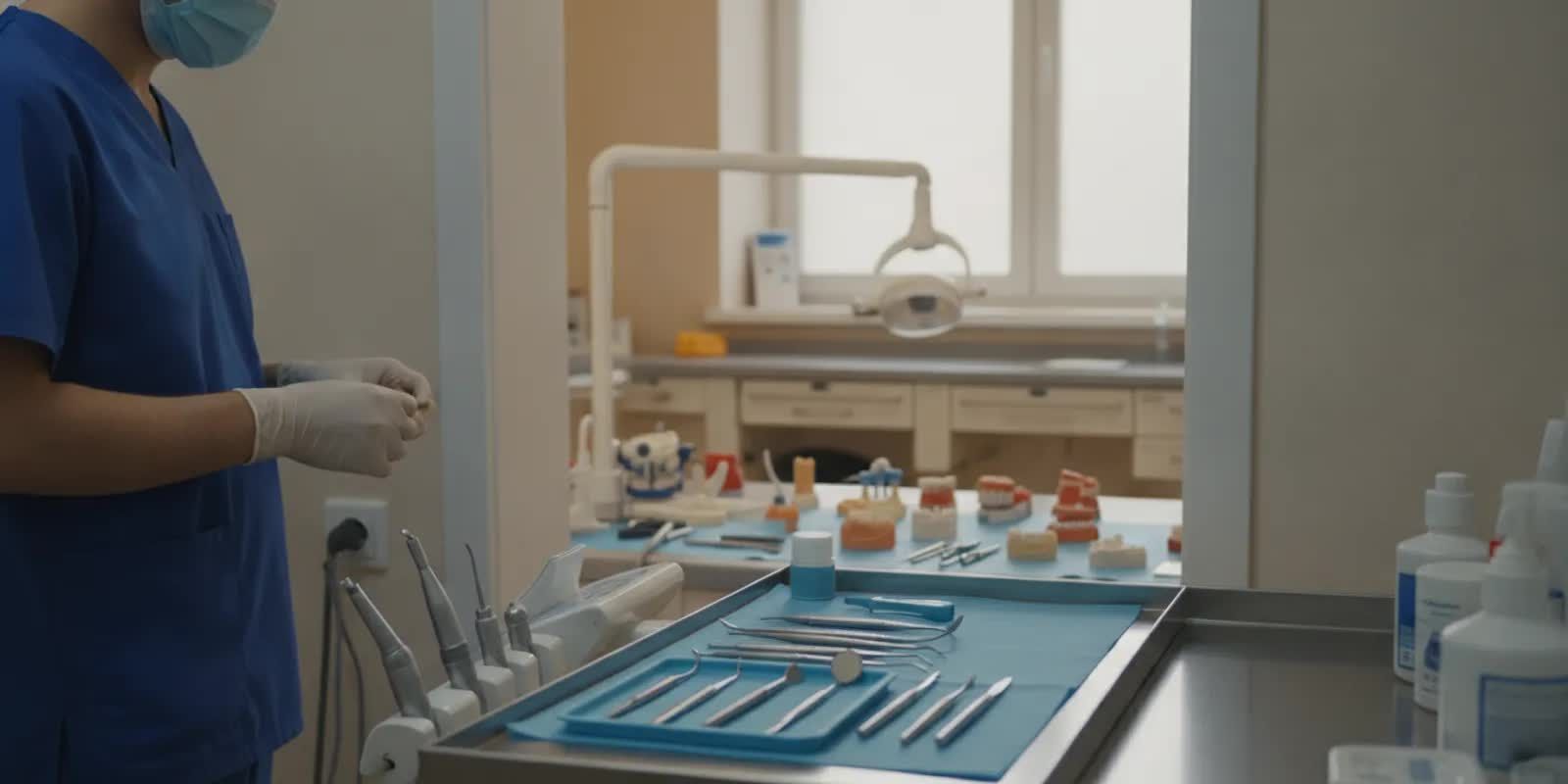
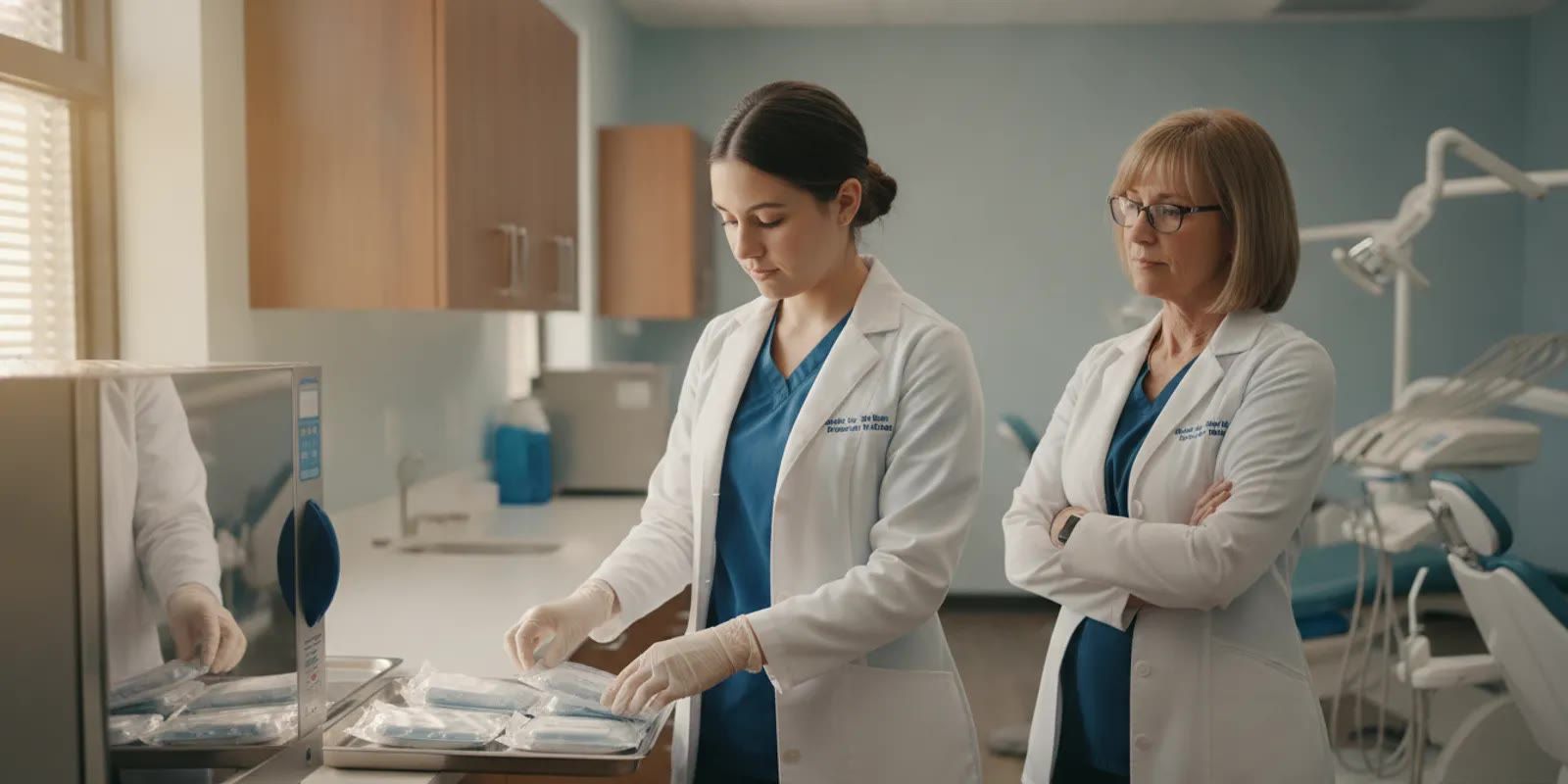
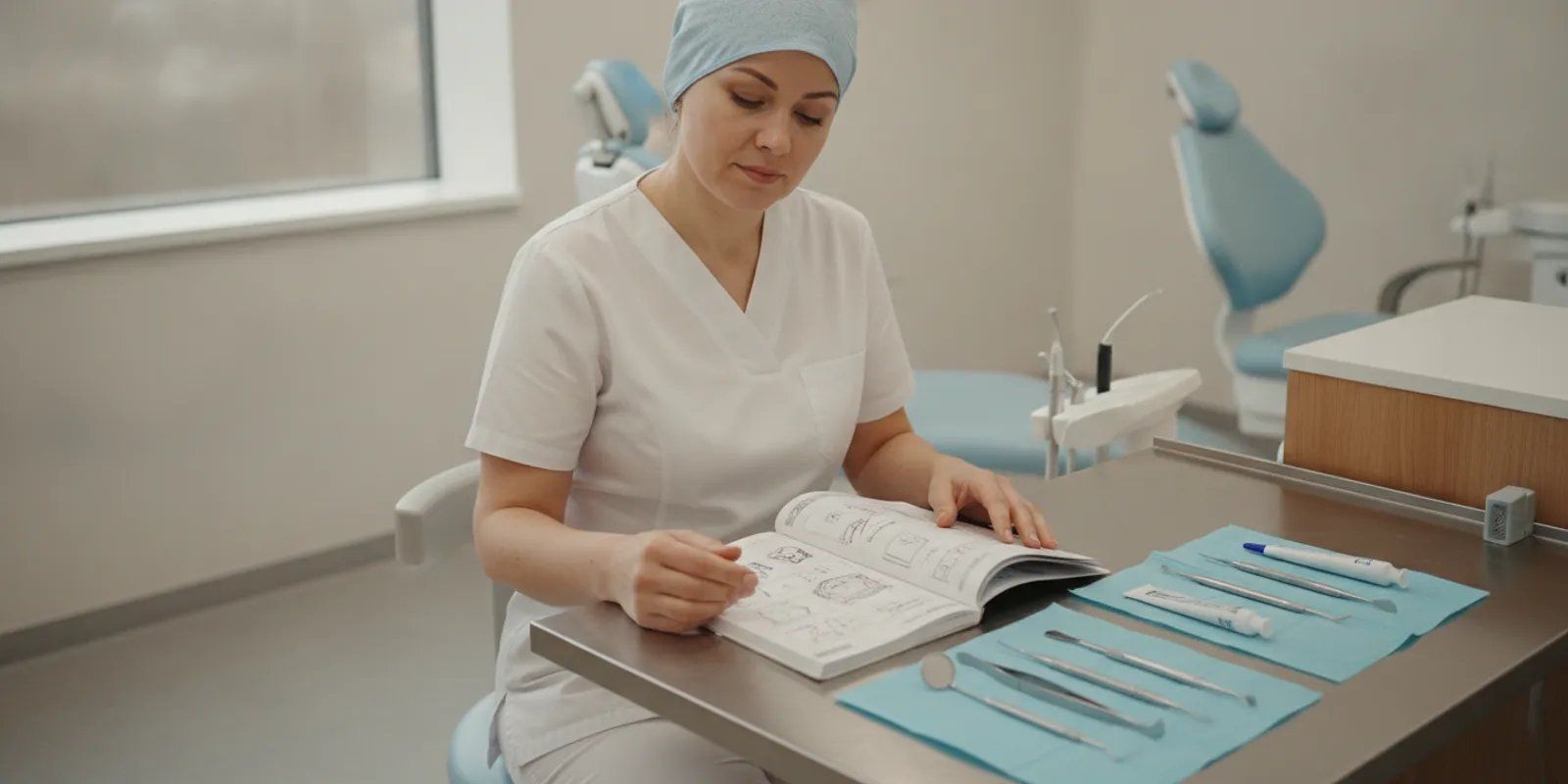
- Prepare the treatment area. Set out the instruments and supplies requested for the procedure, check that the room is orderly, and follow the office’s established setup and infection-prevention procedures.
- Confirm the planned workflow. Review the dentist’s instructions for the visit, including who is responsible for patient communication, observations, documentation, and escalation if something changes.
- Help with equipment checks when assigned. Follow the office’s procedure for preparing and checking equipment. Do not assume that being asked to set up equipment means you are qualified to interpret readings or manage a clinical problem.
- Support clear handoffs. Make sure questions or information raised by the patient reach the dentist or designated clinician rather than being answered by guesswork.
Patient preparation also requires care with communication. The dentist’s office should provide the instructions that apply to the patient’s treatment plan. An assistant can reinforce approved instructions or help the patient reach the dentist with questions, but should not create fasting, medication, transportation, or recovery instructions independently. These details can vary with the method and patient, so generic advice may be wrong for an individual.
A useful habit is to clarify the plan before the patient is in the chair. Ask who is leading the procedure, who is assigned to observe the patient, what changes must be reported immediately, and how the team wants those reports communicated. This reduces uncertainty without crossing into treatment decisions.
What communication helps patients feel informed?
A calm, respectful manner can make a dental visit easier to navigate. The assistant can greet the patient, help them understand the next step in the office’s process, and listen for concerns. If a patient asks whether a medication is safe, what level of sedation they will receive, or whether a symptom is expected, route the question to the treating dentist or the clinician responsible for that discussion.
Use plain language and avoid promising that a procedure will be painless, risk-free, or suitable for everyone. Do not minimize a patient’s worry. A helpful response is to acknowledge the question, explain that the dentist can answer it in the context of the patient’s plan, and make sure the question is passed along.
Communication also matters between team members. Use the office’s agreed terms and reporting process. If something about the patient’s condition or response concerns you, state what you observed and when, and notify the responsible clinician promptly. Do not delay because you are unsure whether the change is important; the assigned clinical lead can decide what it means and what action is needed.
What does monitoring involve, and who may do it?
“Monitoring” can mean different things in different settings. It may refer to watching and communicating observations, documenting information, or performing more specific clinical tasks. The word alone does not establish that an assistant is authorized or trained to perform every part of that work. Responsibilities must be defined for the particular procedure and must fit applicable requirements.
In some workflows, an assistant may be assigned to observe the patient and promptly report what they notice. Other tasks may require specific education, credentials, or a qualified provider. Whether an assistant may take measurements, use particular equipment, record clinical data, or take part in a defined monitoring role must be verified with the supervising dentist and current rules—not assumed from job title, an online article, or experience in another office.
Do not independently interpret a reading, change a medication plan, make a decision to continue or stop treatment, or provide clinical rescue care unless you are specifically qualified, authorized, and directed under the applicable protocol. A concern or unexpected change should be communicated immediately to the responsible provider, following the office’s emergency procedures. The dentist and qualified clinical team determine the appropriate response.
Before a visit, clarify the chain of responsibility. Who is continuously responsible for the patient? Who records observations? Who responds if a concern arises? What is the escalation process? Is the assistant expected to leave the room for a supply or another task, and if so, who takes over? A safe workflow does not depend on an assistant guessing what “keep an eye on the patient” means.
How do duties change with the sedation method?
The method affects the care plan, but assistants should not use a simple chart or shorthand to decide what they personally may do. Scope and required qualifications depend on current rules and the provider’s role. The following distinctions are for asking questions, not for determining clinical authority:
- Minimal approaches: The office may have preparation and communication steps even when the planned approach is limited. Ask what instructions the assistant may reinforce and what patient questions must go directly to the dentist.
- Oral medication: Confirm who gives medication-related instructions, who verifies that the patient understands the dentist’s directions, and what the assistant is expected to report. Do not recommend a dose or advise a patient to alter medication.
- Inhaled or other methods: Ask what equipment, setup, observation, and documentation tasks are assigned, and which require particular training or credentials. The specific duties are not interchangeable across offices.
- Deeper sedation or anesthesia services: Ask which qualified provider is responsible for the patient and what support role, if any, is assigned to the assistant. Do not assume that general dental-assisting education qualifies someone for anesthesia-related tasks.
The labels and legal definitions used for sedation levels can matter. Patients and assistants should rely on the treating provider for the patient-specific plan. Assistants should use the current rules that apply to their location and role, rather than an informal comparison or a description copied from another state.
What should students ask about training?
A course may teach broad foundations that are useful in a dental office without preparing or authorizing a student for every sedation-related responsibility. Ask for precise answers about the curriculum and its limits before enrolling or relying on a course for a particular task.
- Does the curriculum specifically cover sedation workflows, or does it focus on general chairside assisting and patient communication?
- Which topics are taught in a classroom, which are practiced in a supervised setting, and which are not part of the program?
- Does the course describe the difference between observing and reporting information versus interpreting it or taking clinical action?
- What training, credentials, or other requirements must be obtained separately for any sedation-related duty?
- Who can confirm that the course content matches current Georgia requirements for the exact task under consideration?
- Are students expected to perform a sedation-related task during an externship? If so, what supervision and site-specific authorization apply?
Alliance Dental Institute describes an in-person dental-assistant training program with classroom instruction, practical dental-office learning, and a 40-hour externship. Prospective students can also review the school’s guide to dental assistant interview questions to see related career-preparation topics and its overview of dental practice software for another example of general office skills. Its documented curriculum includes areas such as chairside assisting, radiography, sterilization, charting, emergency response and CPR, and career preparation. The information available here does not establish that the school teaches, qualifies students for, or authorizes sedation assisting or sedation monitoring. Ask admissions to confirm what is currently included rather than treating general emergency or chairside instruction as sedation-specific training.
Alliance Dental Institute’s published program is a 12-week, in-person course in Villa Rica. Information about a separate currently enrollable 10-week program, its syllabus, schedule, and price has not been verified. The school’s program information also should not be read as a promise of a particular job, scope of practice, or patient-care responsibility after completion.
What does a clear team workflow look like?
Imagine a patient arrives with a question about instructions they received before a planned procedure. The assistant should listen, avoid improvising medical advice, and make sure the patient speaks with the dentist or designated clinician. If the question changes the team’s understanding of the patient’s readiness, the provider—not the assistant—decides what happens next. The assistant can help by making the handoff direct and confirming that the concern was heard.
Before treatment, a team can reduce ambiguity by naming the person responsible for each part of the plan. The assistant should know which supplies to prepare, what information to document, whom to notify about an unexpected observation, and who remains responsible if another team member steps away. If instructions conflict or a task feels outside the assistant’s training, pause and seek clarification from the supervising provider instead of silently proceeding.
During the visit, reporting should be specific and timely. Describe what you observed, when it occurred, and any relevant change you noticed. Avoid labeling the observation with a diagnosis or deciding that it is harmless. The clinician can interpret the information and determine next steps. Afterward, follow the office’s documentation process and ask for feedback if any part of the assignment was unclear.
This type of workflow is useful beyond sedation visits. It builds habits of precise communication, respect for scope, and reliable teamwork in any dental setting. It also helps an assistant distinguish general comfort measures—such as explaining where to wait or helping the patient get settled—from clinical responsibilities that require explicit authorization and direction.
How can an assistant verify current professional requirements?
Start with the dentist or employer responsible for the procedure. Ask them to identify the current rule or written protocol that applies to the task, the required training or credential, and who provides supervision. If the answer is unclear, verify it with the relevant Georgia regulator or a qualified professional source. Keep a record of the source and date checked, since requirements can change.
Separate the questions that are often blurred together: Is the task within the assistant’s role? Is there a specific prerequisite or credential? Is the person trained and competent for the assigned task? Is a qualified provider present and responsible? A “yes” to one does not automatically answer the others. An employer’s routine or a coworker’s past practice is not, by itself, proof that an assignment is permitted.
For a prospective student comparing courses, request written details about topics, practice activities, supervision, and any certificate actually awarded. Ask which credentials require additional education or a separate approved route. Do not rely on a broad phrase such as “sedation training” without knowing exactly what it covers and what it does not.
For general career context, the American Dental Association’s overview of dental assisting describes the broad role, but it does not replace the current Georgia rules governing a specific duty. Treat professional role information, state requirements, and an employer’s written protocol as distinct sources to check.
Call admissions with questions about the curriculum
Frequently asked questions
Can every dental assistant monitor a sedated patient?
No general answer applies to every assistant, method, or location. Monitoring responsibilities and required qualifications depend on the current rules, the clinical plan, and the duties assigned by the responsible provider. Ask for those details before accepting a task.
Does CPR training qualify someone to assist with sedation?
CPR training is not proof of qualification for every sedation-related duty. The required preparation depends on the exact task and applicable rules. Confirm any additional requirements with the dentist and the relevant regulator or professional authority.
Does a dental-assisting course automatically teach sedation assisting?
No. A general dental-assisting curriculum may cover chairside work and emergency response without covering sedation-specific procedures. Review the current syllabus and ask the school directly what is included, what is supervised practice, and what requires separate training.
What should I do if a patient’s condition concerns me?
Promptly tell the responsible dentist or qualified clinician, report what you observed, and follow the office’s established emergency process. Do not independently diagnose or change the treatment plan.
Careful preparation and clear communication can support a well-organized dental visit, but sedation responsibilities must always be grounded in current requirements, appropriate qualifications, and direct clinical supervision.