Dental Assistant vs Pharmacy Technician: Which Path Is Different?
Compare dental assistant vs pharmacy technician roles, training, patient contact, and daily settings. Use practical questions to assess each career path.

Choosing a healthcare career means picturing the work itself, not just comparing titles. A dental assistant vs pharmacy technician comparison can help you assess the setting, routine, patient contact, and preparation each path may involve. The right fit depends on what kind of work you want to do repeatedly and what local employers require.
Call to learn about in-person dental assistant training
Neither choice guarantees a particular job, schedule, wage, or career outcome. Duties vary by workplace and applicable rules. Use the comparison below to identify what you still need to verify, then speak with schools, employers, and the relevant regulator before committing.
What does a dental assistant do?
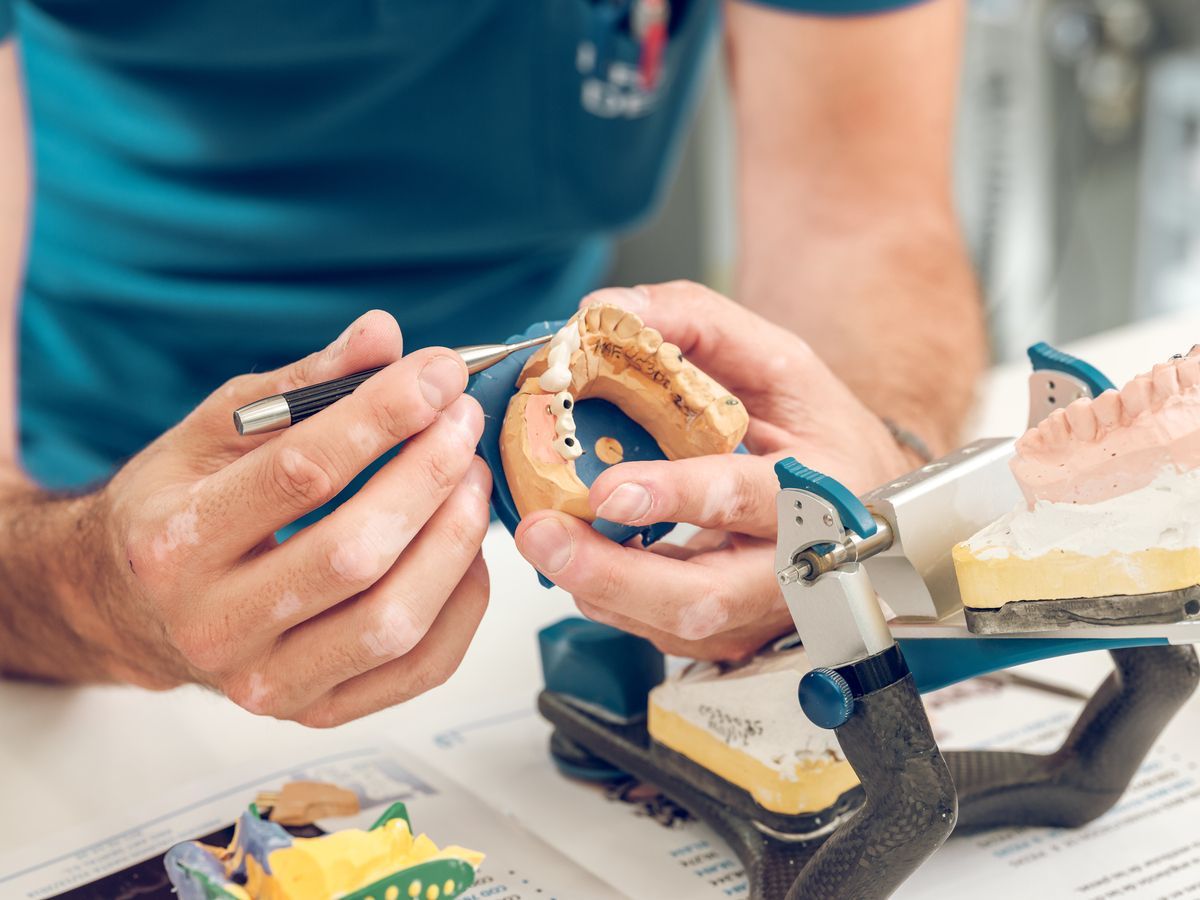
A dental assistant supports a dental team before, during, and after appointments. Depending on the office and duties permitted, that work may include preparing instruments and materials, maintaining the treatment area, helping with suction or instrument transfer, updating records, and supporting patient comfort. The day often follows scheduled visits and involves coordination with the dentist and other team members.
Training may cover chairside assisting, sterilization and infection prevention, dental materials, impressions, temporary restorations, anatomy, charting, digital radiography, radiation protection, emergency response, and CPR. Programs may also include professional development, résumé preparation, and interview practice. Ask which topics involve demonstration or supervised practice, rather than assuming that a topic listed in a curriculum equals authorization to perform a task.
At Alliance Dental Institute, the primary published offering is a 12-week, in-person training program in Villa Rica, combining classroom instruction and practical dental-office learning with a stated 40-hour externship. Prospective students should confirm current class times, externship arrangements, costs, and credential names directly with admissions.
What does a pharmacy technician do?
A pharmacy technician supports pharmacists and pharmacy operations. Depending on the setting, tasks may include receiving prescription information, entering or processing orders, preparing or measuring medications under required supervision, managing inventory, handling payment or insurance information, and communicating with customers or patients. Duties and oversight depend on the workplace and local requirements.
Training commonly addresses medication names and forms, calculations, prescription processing, inventory procedures, safety, recordkeeping, customer service, and the rules that apply to the role. Ask how the program teaches accuracy, error prevention, confidentiality, and the boundary between technician tasks and pharmacist responsibilities. These details matter because medication-related work depends on careful checking and clear escalation when a question requires a pharmacist.
Workplaces can include community pharmacies, hospitals, and other healthcare settings. A community pharmacy may involve frequent counter or phone conversations. A hospital-based role may focus more on internal workflow and communication with pharmacy or clinical staff. Ask which setting a training program is designed to prepare you for.
How do the workplaces differ?
A dental assistant generally works in a dental practice organized around appointments, treatment rooms, instruments, and chairside teamwork. A pharmacy technician may work in a retail pharmacy, hospital pharmacy, or another medication-service setting organized around prescriptions, inventory, order flow, and pharmacist oversight. Both can require steady attention to detail, but the objects, pace, and immediate purpose of the work differ.
Picture a typical shift and consider these questions:
- Would you rather prepare a dental treatment area and support procedures, or organize prescription-related work and inventory?
- Do you prefer a room-based team environment or a pharmacy workflow that may include a counter, dispensing area, or hospital service area?
- How do you feel about the sights, sounds, and pace of a dental office?
- Would detailed medication names, labels, measurements, and checking routines hold your interest?
- Do you want a routine centered on scheduled patient visits, or one shaped by prescription volume and the workplace’s order flow?
These are prompts, not rules. Dental offices and pharmacies vary. If possible, arrange an informational conversation or observation and ask what a busy day, a quiet day, and a difficult interaction look like in that particular workplace.
How much patient interaction should you expect?
Both jobs can involve patients or customers, but the purpose and setting of the interaction are often different. Dental assistants may help patients prepare for treatment, offer basic explanations within their role, support comfort during an appointment, and pass observations to the dental team. Those conversations happen in the context of a visit and may take place in a treatment room.
Pharmacy technicians may help with pickup and processing questions, gather information, or explain payment and insurance steps. Clinical questions should be directed to the pharmacist as appropriate. In hospitals or other facilities, interaction may focus more on pharmacy staff and internal departments than on the public.
Think about which kind of service feels sustainable to you. You may enjoy helping someone feel more at ease before a dental procedure. Or you may prefer structured conversations, accurate order handling, and maintaining an organized medication workflow. Both paths call for calm communication, respect for privacy, and knowing when to bring a question to the appropriate professional.
What training topics should you compare?
Do not compare programs only by the number of weeks advertised. Compare course content, practice opportunities, instructor support, attendance expectations, and the meaning of any certificate or completion document. A short calendar does not necessarily mean a light workload; classroom attendance, practice, study, and travel all take time.
For dental assistant training, ask whether the course covers:
- Chairside assisting, suction, and instrument transfer.
- Sterilization, autoclaving, infection prevention, and workplace safety.
- Dental anatomy, materials, impressions, and temporary restorations.
- Radiography and radiation protection, including applicable prerequisites and limits on permitted duties.
- Charting and practice-management systems such as Dentrix or Eaglesoft.
- Emergency response and CPR, plus résumé and interview preparation.
- Any externship: hours, location, supervision, and eligibility conditions.
For pharmacy technician training, ask about medication safety, calculations, dosage forms, prescription processing, inventory, billing or insurance workflows, recordkeeping, customer service, confidentiality, and the rules governing technician practice. Ask whether practice is simulated, workplace-based, or both, and how the program documents skill development.
For either path, request a sample syllabus and ask what students actually practice. For example, a course might teach how to enter information into a sample system, but that does not establish that a graduate can perform every task independently or under every employer’s policies. Ask what supervision applies during training and what remains to be learned on the job.
What should you verify about credentials and local requirements?
A school’s completion document is not automatically a government license, an employer requirement, or permission to perform every task. Ask who issues each credential, what prerequisites apply, which duties it relates to, and whether the employer or regulator recognizes it.
For dental assisting in Georgia, distinguish general assisting instruction from radiography requirements, CPR, and certificates tied to specific expanded duties. Do not assume that completing a course creates a general dental assistant license or that every student qualifies for every expanded function. Ask the school to explain the difference in writing and verify current rules with the appropriate authority.
For pharmacy technician work, ask which registration, certification, supervision, or employer requirements apply where you intend to work. Requirements may vary and change. The American Career College comparison offers a general overview of the two training paths, but it should not replace current information from the regulator or a prospective employer.
How can you compare time and cost fairly?
Start with the complete schedule, not just the program’s headline duration. Ask about class days and hours, attendance rules, hands-on hours, externship time, homework, commuting, and whether the schedule works with caregiving or work obligations. Admissions and tour hours are not necessarily class hours, so confirm the actual timetable.
Request an itemized written cost. Separate tuition from registration or seat-reservation charges, books, scrubs, supplies, CPR, examinations, transportation, and any other required expense. Ask whether a registration payment is refundable or credited toward tuition. If a payment plan or financing option is offered, request the current terms, eligibility requirements, and total repayment information. Do not assume approval, a particular monthly amount, or cost-free completion.
Alliance Dental Institute describes a 12-week, in-person program at its Villa Rica campus and a $275 amount to reserve a 2027 seat. That figure should not be treated as total tuition. First-party materials also have different price references, so ask admissions for a current itemized written explanation, including what the reservation charge covers and how it relates to tuition. Confirm any advertised start dates as well as the schedule and externship details before making plans.
What questions should a career changer ask?
Use the same checklist for both career paths. A useful conversation should leave you with details you can verify, rather than broad promises.
- What setting does this training prepare me for, and what settings are outside its scope?
- What are the exact class or training days and hours, and how much independent study is expected?
- Which skills are practiced, how often, and under whose supervision?
- Is an externship or workplace experience included? If so, how many hours, where, and with what supervision?
- What is the complete cost, what is included, and what are the written payment and refund terms?
- What credential or completion document is awarded, who issues it, and what does it not authorize?
- Which additional requirements must I meet before performing radiography, expanded duties, or pharmacy technician work?
- What support is available for résumés, interviews, or finding opportunities, and what outcomes can the provider document?
- Can I tour the training site or speak with an employer before applying?
Ask for answers in writing when they affect your budget, calendar, or eligibility. If a response is unclear, pause and ask for the specific rule, fee, schedule, or document rather than relying on an informal summary.
Which path may fit your goals?
Dental assisting may be worth exploring if you want a dental-office setting, appointment-based patient interaction, chairside teamwork, and practical learning related to dental procedures. Pharmacy technician work may suit someone drawn to medication-related systems, prescription processing, inventory, accuracy checks, and workplaces that range from community pharmacies to hospitals.
Neither description predicts a particular wage, hiring outcome, schedule, or advancement path. Your choice should reflect the tasks you can imagine doing repeatedly, local requirements, available training, transportation, and the time you can commit. If you can, learn about both settings firsthand before deciding.
For a closer look at training structure and costs, review the questions to ask about dental assistant program costs and the Georgia expanded-functions requirements overview. Those resources can help you prepare specific questions, but confirm current terms and eligibility directly with admissions and the relevant authority.
Call Alliance Dental Institute to discuss in-person training
Frequently Asked Questions
Is dental assisting the same as pharmacy technician work?
No. Both support healthcare services, but dental assistants generally work with dental teams and appointment-based treatment, while pharmacy technicians support pharmacists and medication-related workflows. Duties depend on the workplace and applicable requirements.
Which role has more patient interaction?
Neither has one fixed level. Dental assistants often communicate with patients during dental visits. Pharmacy technicians may have frequent public contact in a community pharmacy or more internal team interaction in a hospital setting.
Can a short training program guarantee a job?
No. Training can prepare you for a field, but it cannot guarantee hiring, placement, wages, or a particular schedule. Ask what outcomes a provider can document and what support it actually offers.
What should I verify about dental assistant training in Georgia?
Confirm the current schedule, itemized costs, hands-on practice, externship terms, credential names, and requirements for radiography and any expanded duties. Ask which training or certificate applies to each specific duty.
The best path is the one whose daily work, training expectations, local requirements, and practical logistics fit your goals, so verify those details before you enroll.